Septimius Severus Denarius, Pax Seated — Scholarly Analysis
Extended scholarly study of "Septimius Severus Denarius, Pax Seated" (accession JCA.2026.097): material analysis, authentication methodology, comparative works, and bibliography.
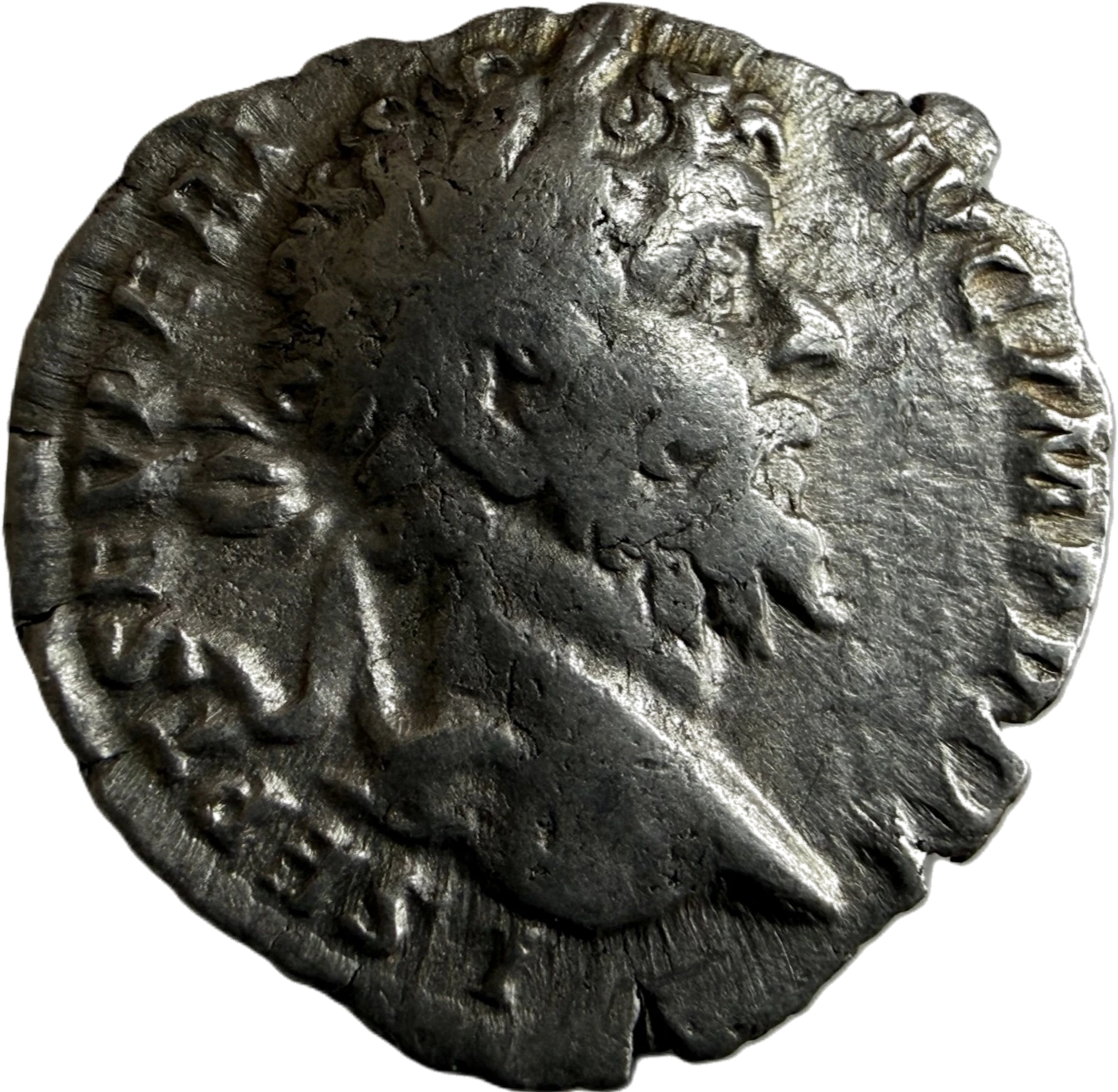
Extended description
Denarius attributed to Septimius Severus, with recorded L SEPT SEV PERT AVG IMP VIII obverse and seated Pax reverse. The recorded reverse numeral is IIII. Earlier text combined it with RIC 88a, a published TR P V comparison, creating a reference conflict. Working chronology is broadly c. AD 196–197 pending controlled numeral reading and catalogue comparison. Recorded dimensions remain 17.25 mm diameter and 2.17 mm thickness, with 6h die axis. Exact RIC, RSC and Sear assignments are unconfirmed.
Technical analysis
Recorded dimensions are 17.25 mm diameter and 2.17 mm thickness, with 6h die axis. Current photographs support seated-figure description, while a controlled, scaled image is needed to settle numeral and subtype. Bright surfaces, localized granularity and reported absence of obvious tooling/plating are condition observations. They do not establish fineness or certify ancient manufacture. Metal purity is unmeasured.
Authentication methodology
The recorded reverse reading is P M TR P IIII COS II P P, with Pax seated left holding a branch and sceptre. Distinguish IIII from V in a controlled close image and, if possible, fresh in-hand reading. The published Klisurica catalogue distinguishes RIC IV.1 85/TR P IIII from RIC IV.1 88a/TR P V (Numizmatičar 40, pp. 55–56, nos. 102, 105 and 114–115). The former statement that IIII matches 88a is withdrawn. Exact RIC number and issue date remain provisional pending numeral and bust comparison. This reference conflict does not establish that the coin is false.
Compare complete legends, numeral form, head/bust, attributes and located catalogue entries before final attribution. Record incomplete letters and uncertainty. Type identification and manufacture authentication are separate; examine strike, fabric, edge, surface and die evidence. The catalogue records in-house assessment without third-party certification.
Comparative works
Consulted primary comparison: Klisurica catalogue, Numizmatičar 40 (2022), pp. 55–56, nos. 102, 105, 114–115, distinguishing IIII/Pax/RIC 85 from V/Pax/RIC 88a. Earlier OCRE and Elveden hoard references were not independently verified as specimen matches. An incomplete or blocked OCRE link is a research lead; hoard comparison supplies no provenance for JCA.2026.097.
Provenance
Calhoun's Collectors Society binder, typed insert and handwritten reference label comprise the recorded modern documentation. Preserve all labels, including the incorrect 193 AD date. Exact replacement RIC/RSC/Sear attribution is unresolved. Klisurica and earlier Elveden comparisons do not demonstrate an ancient hoard origin for this coin.
Historical context
This issue belongs to the period in which Septimius Severus was consolidating power after the defeat of Pescennius Niger and before the final defeat of Clodius Albinus at Lugdunum in 197. The seated Pax reverse projects restoration of peace and order at a moment when the empire was still emerging from civil war. The type therefore illustrates the political use of personifications on Roman imperial coinage: reverse imagery could articulate an ideological claim rather than describe current conditions literally.
Conservation history
No conservation treatment is documented. The coin currently presents stable surfaces with no active corrosion. Abrasive cleaning, polishing, chemical dipping, or attempts to brighten the silver should be avoided because they can remove original toning, surface fabric, and diagnostic evidence. Storage in an inert holder under stable, dry conditions is recommended, with all historical paper labels retained separately but associated with the accession.
Bibliography
Borić-Brešković, Bojana, and Mirjana Vojvoda, “A Hoard of Denarii and Antoniniani from the Village of Klisurica near Prokuplje,” Numizmatičar 40 (2022), National Museum of Serbia. https://www.digitalnaizdanja.narodnimuzej.rs/Download/numizmaticar/Numizmaticar%2040.pdf Consulted pp. 55–56, nos. 102, 105, 114–115. RIC IV.1 85 and 88a are comparison candidates. Earlier RSC 444 and Sear 6329 remain unverified specimen matches; the incomplete OCRE identifier is a research lead.